Many people mistakenly equate leadership with a job title, a managerial designation, or seniority on an organizational chart. Yet history and modern corporate culture constantly demonstrate that you can manage people without leading them, and you can lead people without having formal authority over them.
True leadership is not about wielding positional power or barking orders. Leadership is the ability to inspire a shared vision, build unshakeable psychological safety, communicate with clarity during ambiguity, and bring out the highest potential in those around you. Whether you are leading a college student union, managing a small cross-functional project, or steering an enterprise team, leadership skills can be deliberately cultivated.
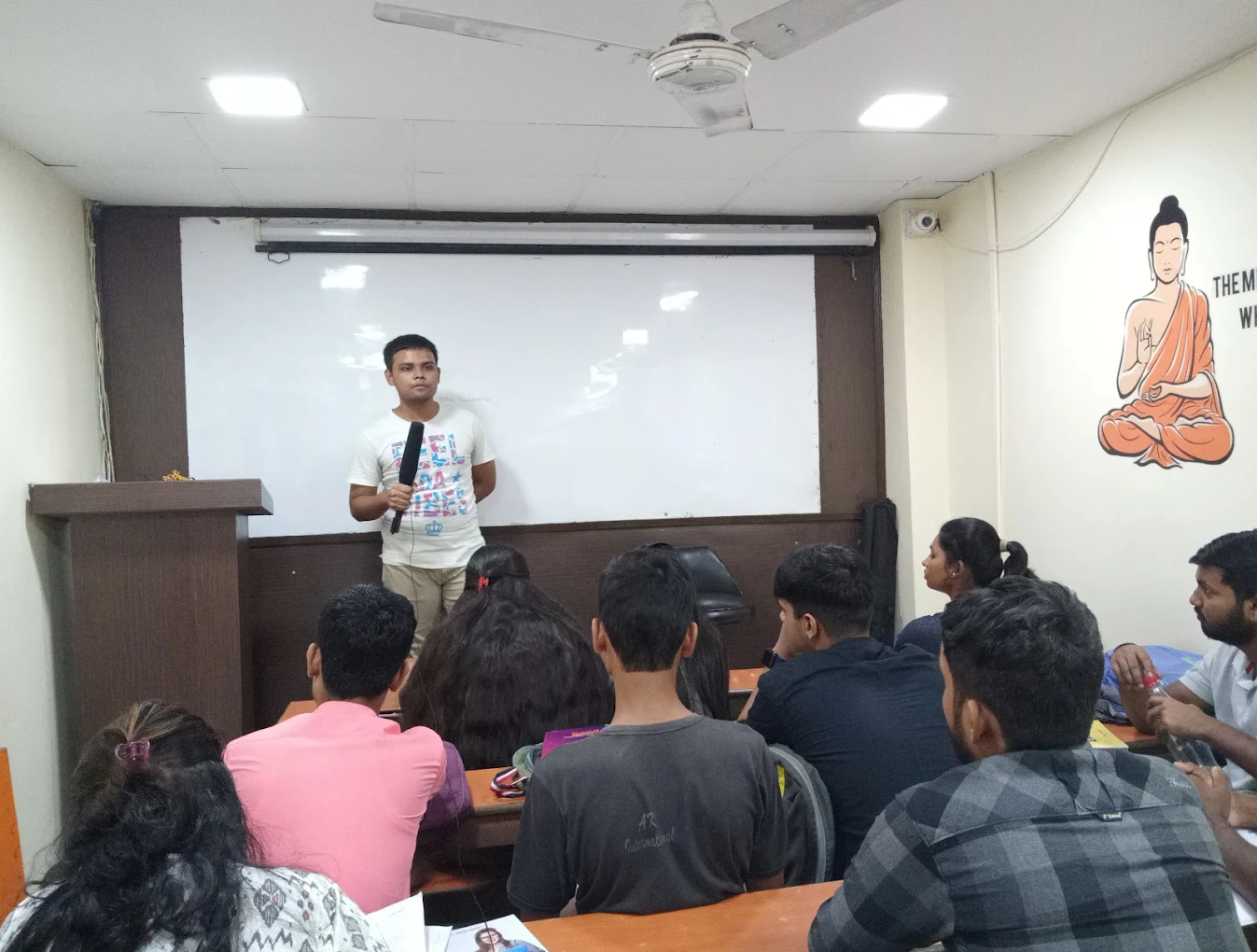
At Raddix Institute Kolkata, our corporate communication and personality development modules focus on four transformative leadership dimensions
1. Communicating a Compelling Vision with Clarity
A manager tells people what tasks to execute today; an inspirational leader paints an exciting picture of what the future looks like and why everyone's individual contribution matters.
- Connect Daily Work to a Higher Purpose: Never assign work in a vacuum. Always explain the "Why": "We are revamping this customer onboarding flow not just to meet our Q2 KPI, but because every minute saved reduces user frustration and directly builds client trust."
- Use Storytelling and Metaphors: Raw spreadsheets and quarterly percentages rarely inspire hearts. Great leaders use vivid analogies, customer success stories, and relatable metaphors that make abstract goals memorable.
- The Repetition Principle: Research shows leaders often underestimate how often they need to communicate their vision. When you are tired of repeating your core mission, your team is just beginning to internalize it.
2. Practicing Radical Empathy and Active Listening
The most common leadership failure is speaking too much and listening too little. Insecure managers dominate discussions, interrupt team members, and reject contradictory feedback. Great leaders practice deep curiosity
- The "Speak Last" Rule: Popularized by former corporate leaders and military commanders, this practice dictates that the leader withholds their opinion until every team member has shared their unfiltered view. When you speak first, you unintentionally bias and silence the room.
- Psychological Safety: Harvard professor Amy Edmondson proved that the single highest predictor of team success is psychological safety—the belief that one will not be punished or humiliated for speaking up with ideas, questions, concerns, or mistakes. Celebrate transparent truth-telling over polite compliance.
- Empathetic Check-Ins: Ask open-ended questions during 1-on-1s: "What is currently getting in your way?", "What support do you need from me to do your best work?", and "How are you holding up with this workload?"
3. Decisiveness in Ambiguity and Extreme Ownership
In leadership, indecision is often far more damaging than a flawed decision that is executed and quickly corrected. Teams look to leaders for calm, steady direction when data is incomplete and stress is high.
- The 70% Information Rule: Former US Secretary of State Colin Powell advised making decisions when you possess between 40% and 70% of the necessary data. If you wait for 100% certainty, the opportunity has already passed and your competitors have overtaken you.
- Extreme Ownership: When a project succeeds, credit your team publicly and highlight individual contributions. When a failure or mistake occurs, take full personal responsibility as the leader: "The fault was mine; I did not communicate expectations clearly enough or provide the required training. Here is how we will fix it."
- Calm Demeanor in Crises: Panic is contagious, but so is composure. When a crisis erupts, your tone of voice, posture, and facial expression set the emotional thermostat for the entire organization.
4. Navigating Conflict Diplomatically and Resolving Disagreements
Conflict is inevitable in any ambitious, high-performing group. Poor leaders either avoid conflict (letting resentment fester) or handle it aggressively (damaging relationships). Skilled leaders view conflict as an opportunity for innovation
- Separate People from the Problem: Focus objectively on the issue, the workflow bottleneck, or the differing priorities, rather than launching personal attacks.
- Focus on Shared Interests: Remind both conflicting parties of their mutual objective: "We both want this launch to succeed without delays. Let us examine what both approaches bring to the table."
- Seek Win-Win Solutions: Avoid forcing one party to suffer total defeat. Find compromise or synthesize both perspectives into a third, superior alternative.
Daily Habits to Practice Everyday Leadership
- Acknowledge Someone's Effort Daily: Send one specific, genuine text or email praising a peer's recent work.
- Facilitate, Don't Dominate: In your next group project or meeting, invite the quietest person to share their perspective: "Priya, we would love to hear your thoughts on this approach."
- Seek Upward Feedback: Ask a trusted colleague: "What is one thing I could do differently to communicate more effectively with the team?"
Leadership is not about being in charge; it is about taking care of those in your charge. Lead by listening first, communicate your vision relentlessly, take extreme ownership of failures, and cultivate psychological safety. When you empower others to succeed, leadership authority follows naturally.
Ready to Speak Fluent English with Confidence?
Reading guides is a great first step, but real fluency comes from daily interactive practice. At Raddix Institute Kolkata, our expert faculty mentors you with 1-on-1 speaking drills, accent neutralisation, and GD preparation.